

What is VOC in Epoxy? A VOC (Volatile Organic Compound) is a solvent that gets released into the air as the epoxy cures. Some Epoxy contains cheap fillers or diluents, which are included to make the product cheaper, which would cause VOC’s to emit into the air. High amounts of exposure to epoxy fumes before and during the curing process can lead to sensitisation and asthma. Thus the term “Cheap and Nasty” seems to fit. On the other hand Polyurea coatings have near-zero VOC’s. You could say without fear of criticism that Polyurea are the “Green” coatings.

What are the different floor coatings available? Concrete paint, epoxy, acrylic sealer, nonslip or Polyurea? What to choose and where to get the best advice? It really comes down to what is going to suit the situation and what qualities you want from the finished product. Which coating ticks all the boxes that are important to you. The first thing I would like to suggest is that although price is very important be sure that you are getting what you pay for. A low price for the top of the range product should be questioned. Create a list of criteria that will help you decide if a particular coating and applicator is able to meet your demands. Let us look at the two most popular floor coatings used on the market today and make a direct comparison between them. Polyurea and Epoxy Polyurea really does reign supreme yet Epoxy can…
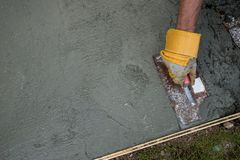
The term “Green Concrete” refers to a freshly poured concrete mix that has begun to set, but has not yet fully cured. The general industry recommendation is that it be allowed a minimum 30 day cure period before applying any resinous coating system. However, this is really a guideline, the actual wait period can be much longer, depending on the composition of the concrete mix, relative humidity, temperature and other conditions. Don’t be rushed into making a decision to coat your concrete surface without knowing that it has cured sufficiently to maintain a strong bond. New concrete can look dry well before it is ready to be coated. As a result of the concrete mix, site conditions, different areas of the slab may have varying levels of moisture. Therefore, proper testing of several areas for moisture/moisture vapour is the only valid way to tell if the slab is ready for…

What Is Concrete Laitance ? Concrete Laitance is a major cause of failure in flooring installations. Laitance is the weak, milky or powdery layer of cement dust, lime and sand fines that appear on the surface of concrete. The proper curing of concrete is very important Laitance becomes a problem when you plan to add a coating to the surface be it paint or any of the harder wearing surfaces available. No matter what you apply to your surface it will not successfully bond if the Laitance has not been removed and the surface properly prepared. Constant traffic, car tires, trolley wheels and so on will cause the laitance to move and the coating to lift. Until the Laitance has been removed by either diamond grinding or other mechanical means the surface should not be coated. Removing Laitance is critical to the success of your concrete floor coating. Call an…